Our engagement
Increasing the impact of our research through policy engagement, advocacy, thought leadership and media relations
The George Institute's 'Changemakers' event in Sydney, Australia
Mobilising knowledge at global and national levels
We took part in multiple meetings around the world in 2025, increasing and strengthening our multilateral relationships and using advocacy, policy engagement and thought leadership to ensure our evidence informs policy, guidelines and practices globally. Scroll through some of the highlights below.
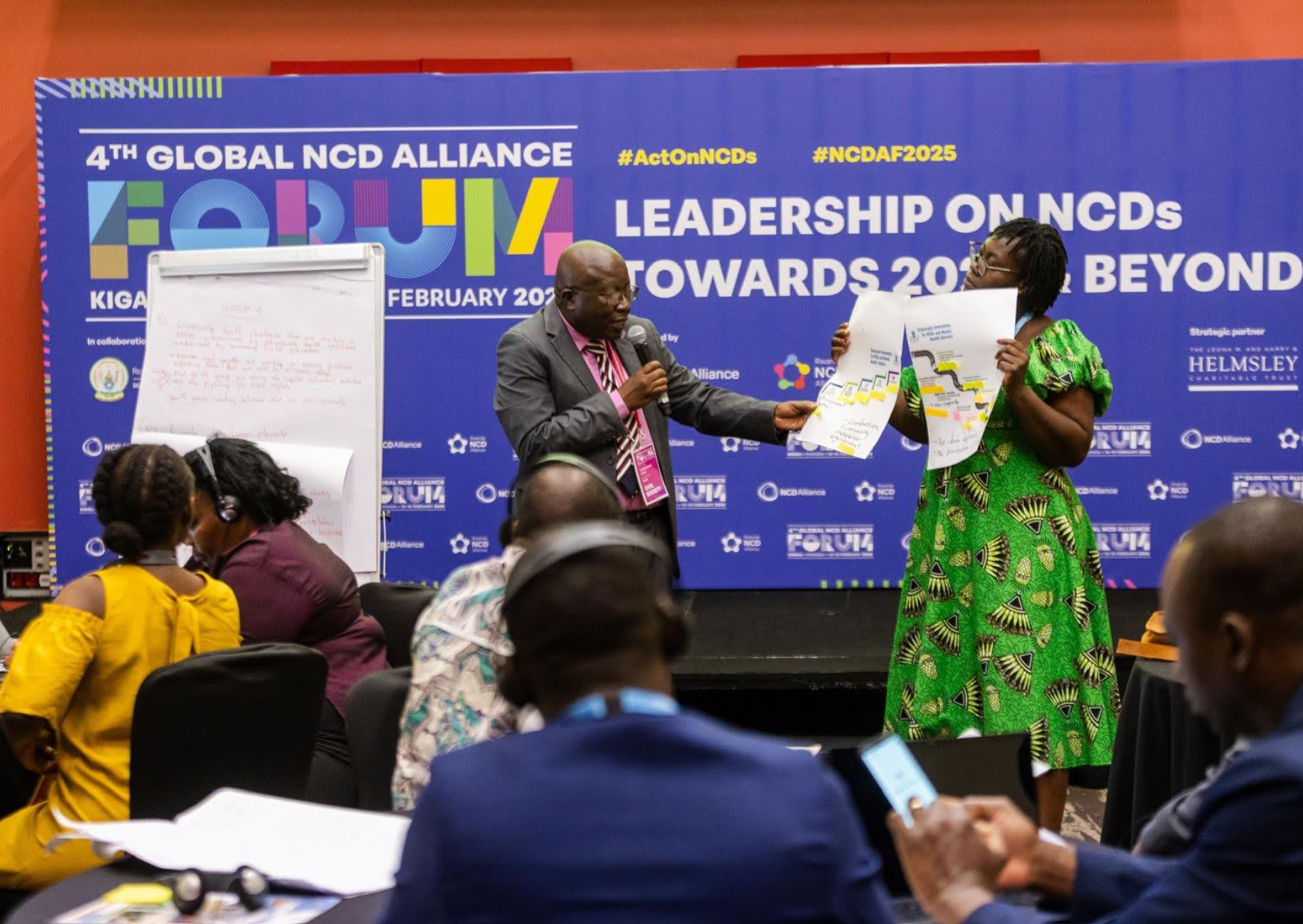
Global NCD Alliance Forum, Kigali, Rwanda
Co-leading a workshop with the WHO to advance grassroots innovation

UN Commission on the Status of Women, New York
Showcasing tools to hold governments accountable on gender equality
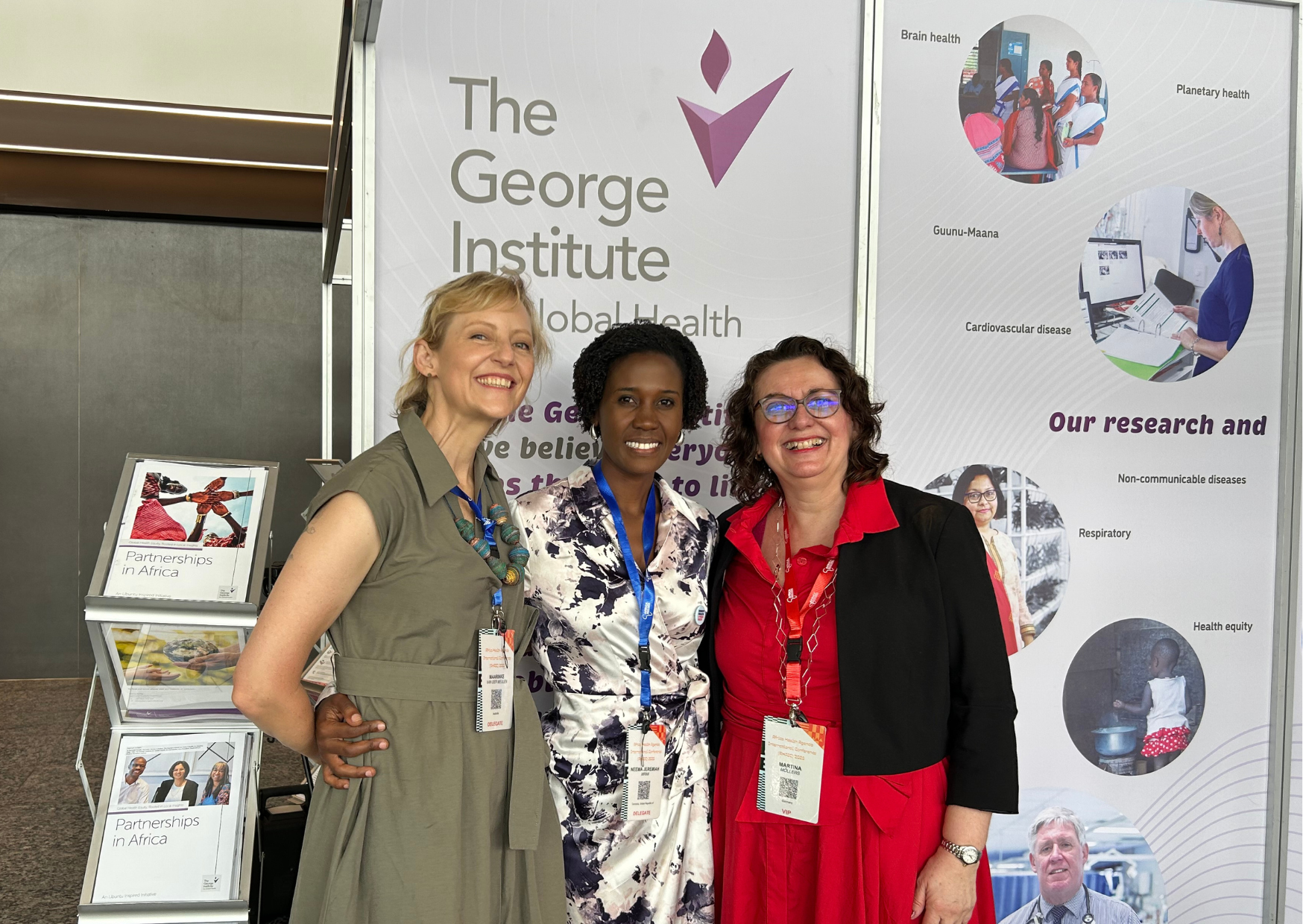
Africa Health Agenda International Conference
Sharing our work and forging connections with new partners

Voices of the Pacific Roundtable, Sydney
Designing collective action for climate justice and women’s health
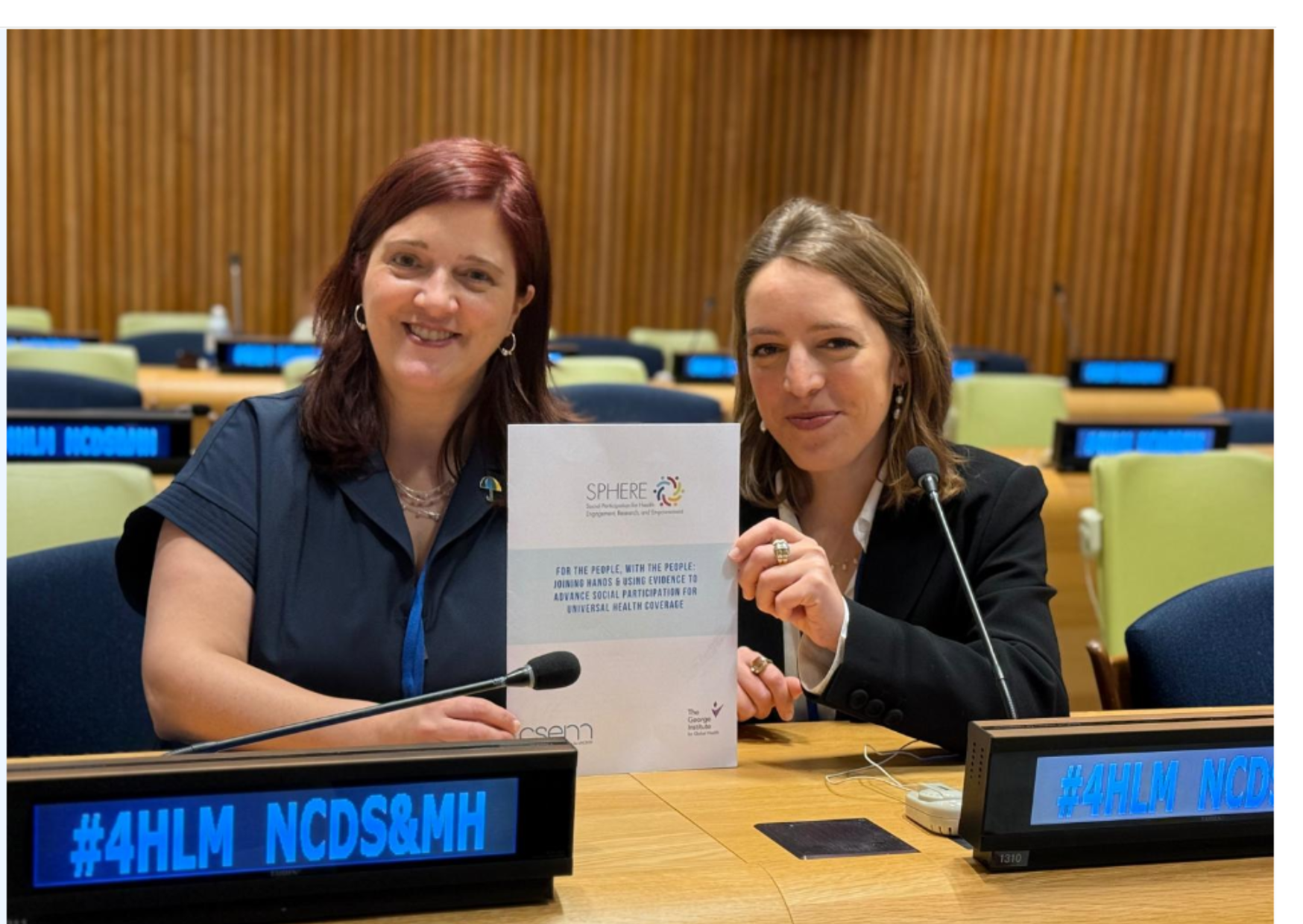
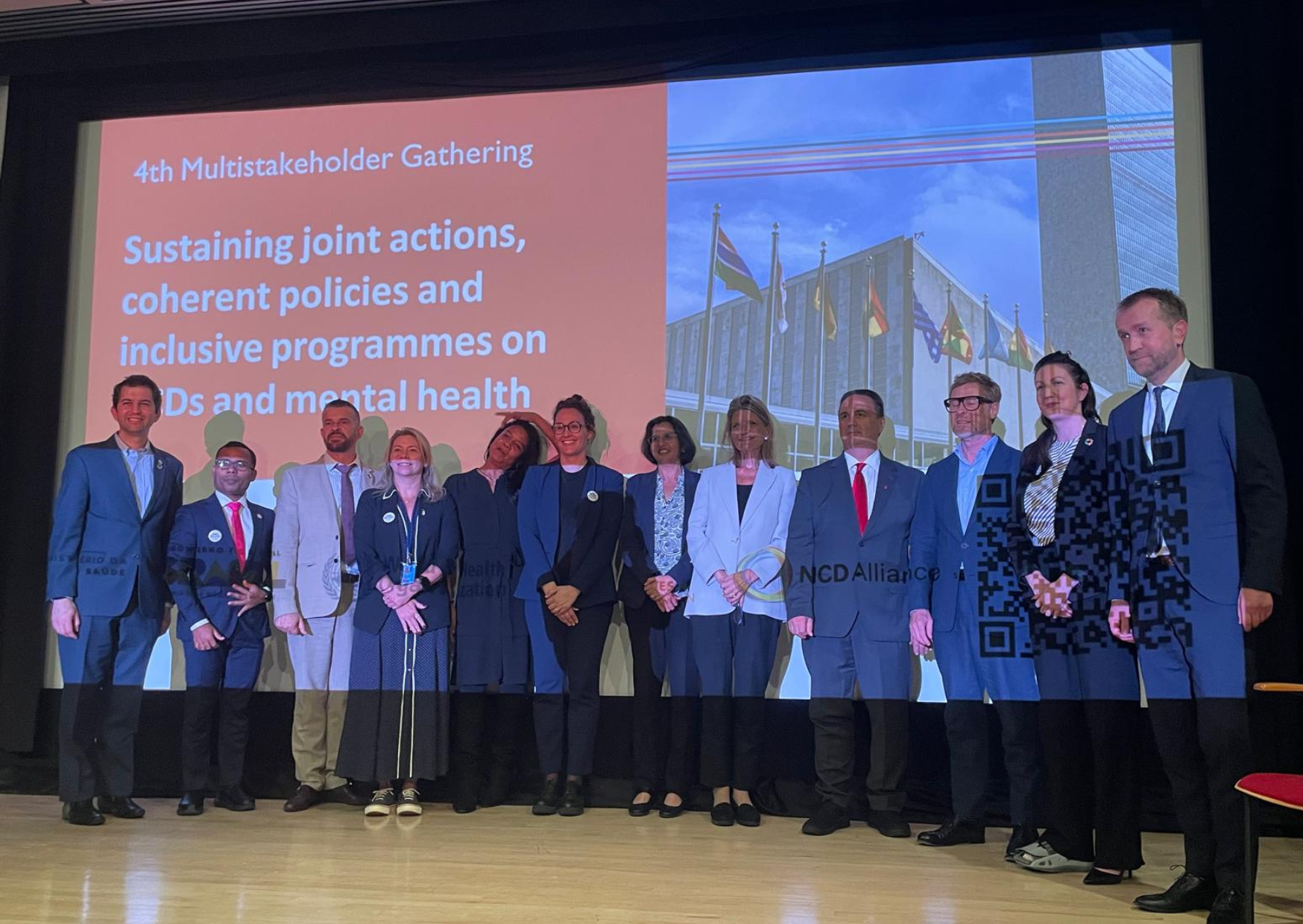
UN Multistakeholder Hearing on NCDs, New York
Fostering community engagement and social participation for health
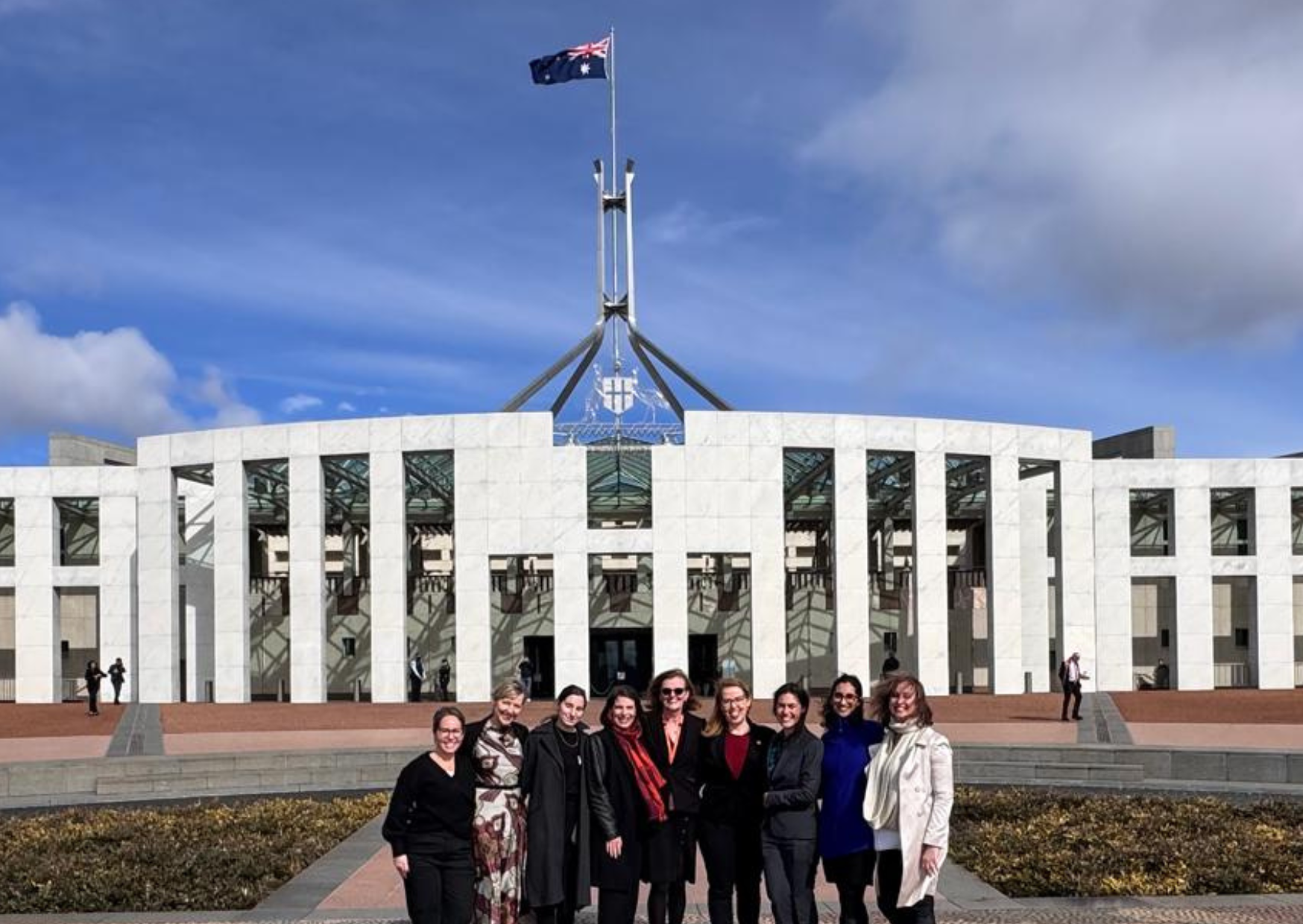
Parliamentary breakfast in Canberra, Australia
Highlighting examples of cross-sector partnerships to tackle NCDs
Influencing the UN High-Level Meeting on NCDs
2025 saw the fourth UN High-Level Meeting on the Prevention and Control of NCDs and Promotion of Mental Health take place in New York. Ahead of the meeting, The George Institute worked closely with partners including the NCD Alliance to engage governments and advocate for a strong Political Declaration.
We published an analysis of how gender features in national NCD action plans, to highlight the urgent need for a gendered approach to NCDs and to ensure commitments are translated into policy. ‘Meaningful progress or empty promises?’ was launched at a webinar with representatives of UN Women, Women in Global Health, NCD Alliance Kenya and HRIDAY.
In Australia, we worked with the McCabe Centre for Law and Cancer to mobilise commitment and collaboration across Australia and the Pacific region through a year-long campaign, including an event at Parliament House in Canberra. Culminating in a call to action signed by more than 40 Australian public health leaders and organisations, our campaign was instrumental in mobilising civil society to drive strong support from the Australian government at the High-Level Meeting.
In light of the geopolitical challenges surrounding negotiations, the final Political Declaration represents a significant achievement. Highlights include the adoption of new targets on hypertension, tobacco and access to mental health care, and the reiteration that mainstreaming a gender perspective into addressing NCDs is crucial.
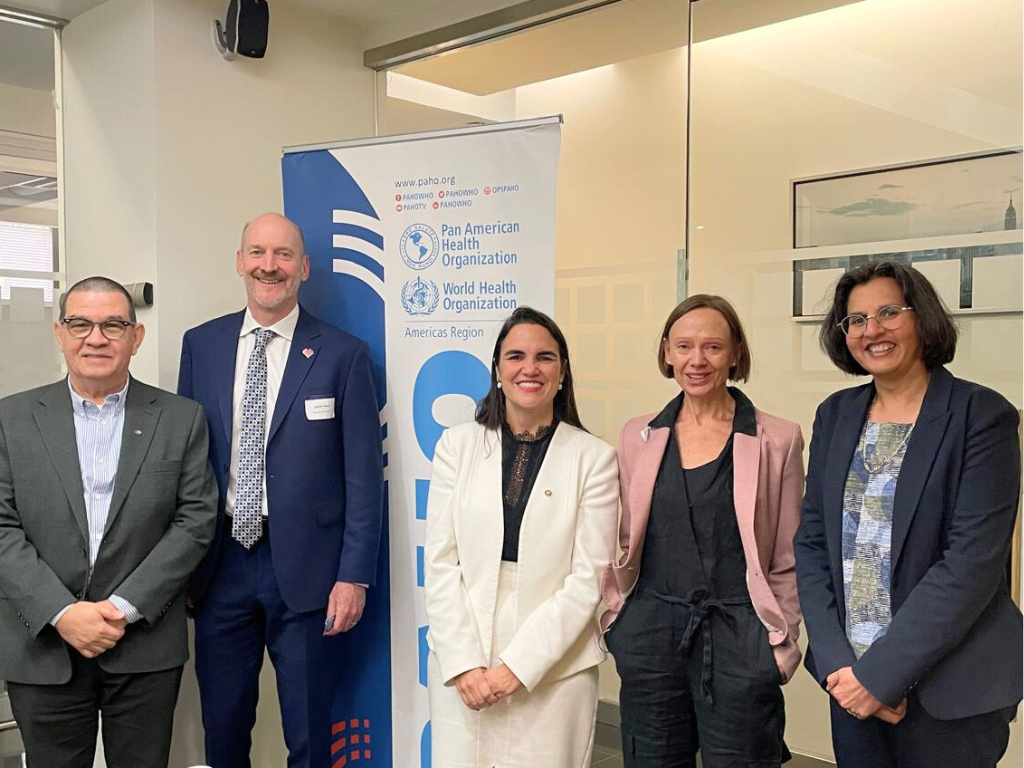
Meeting on the sidelines of the UN General Assembly with representatives of the Pan-American Health Organization, September 2025
Partnering with the World Health Organization
The George Institute has a long-standing partnership with the World Health Organization (WHO) Global Coordination Mechanism on the Prevention and Control of Noncommunicable Diseases. In 2025, we were delighted to work with them to develop a thematic issue brief on ‘Advancing data-driven and evidence-informed multisectoral action: The role of multistakeholder data- and knowledge-sharing’.
The publication was launched at a high-profile event on the sidelines of the UN High-Level Meeting on NCDs in New York, co-sponsored by the WHO, NCD Alliance and the Ministry of Health of Brazil, among others. The George Institute’s CEO Professor Anushka Patel showcased the brief and moderated a panel on the role of data and evidence in driving multisectoral action in the NCD response.
Earlier in the year, our Ubuntu Initiative worked with the WHO team to organise a workshop in Kigali, Rwanda, on scaling grassroots innovations to address NCDs and mental health conditions in Francophone West Africa. The Institute also joined the WHO’s Civil Society Commission in 2025 and was delighted to be a launch member of its Global Clinical Trials Forum, adding to our many other links with the WHO.
Bridging research and policy at local and national levels
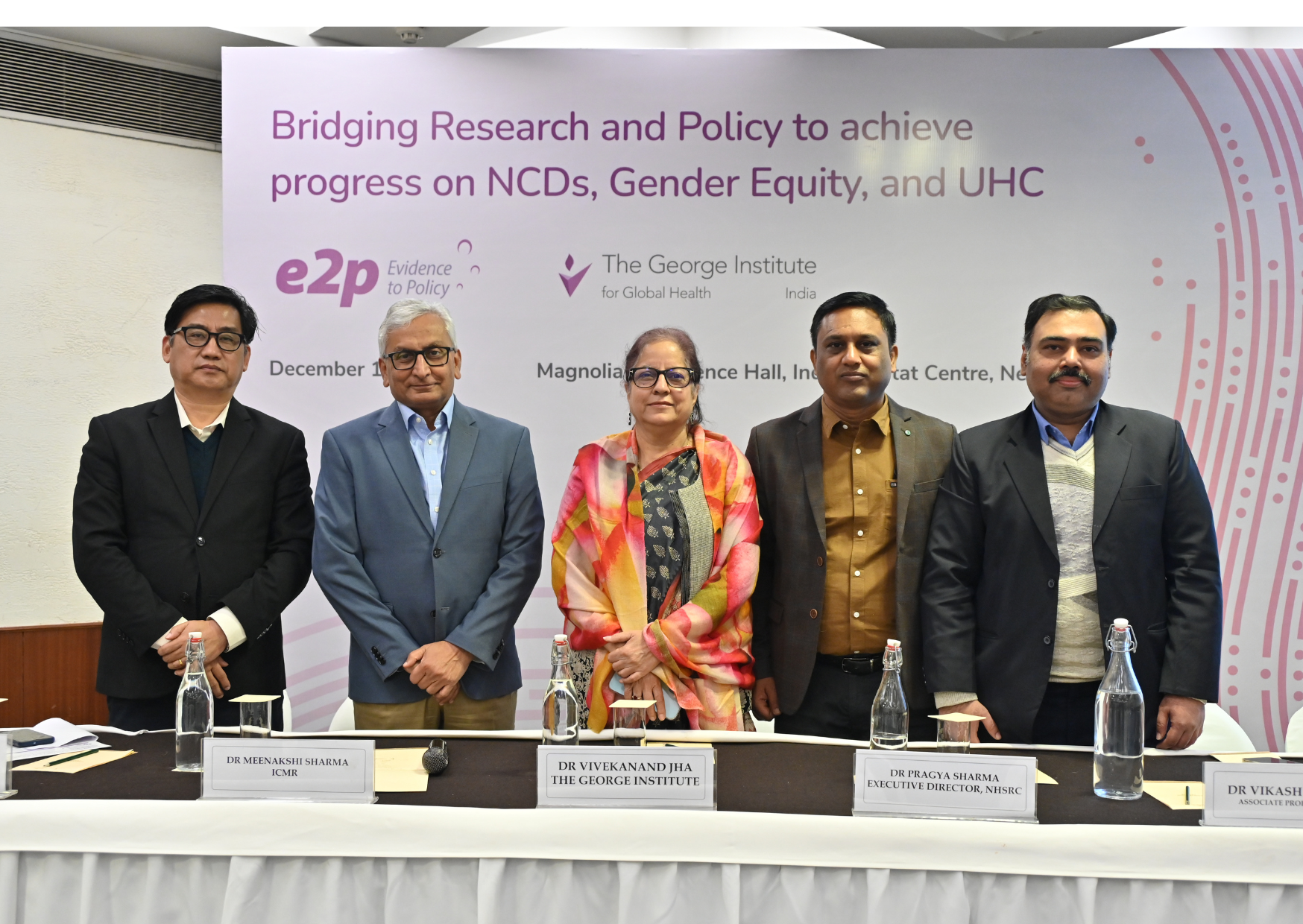
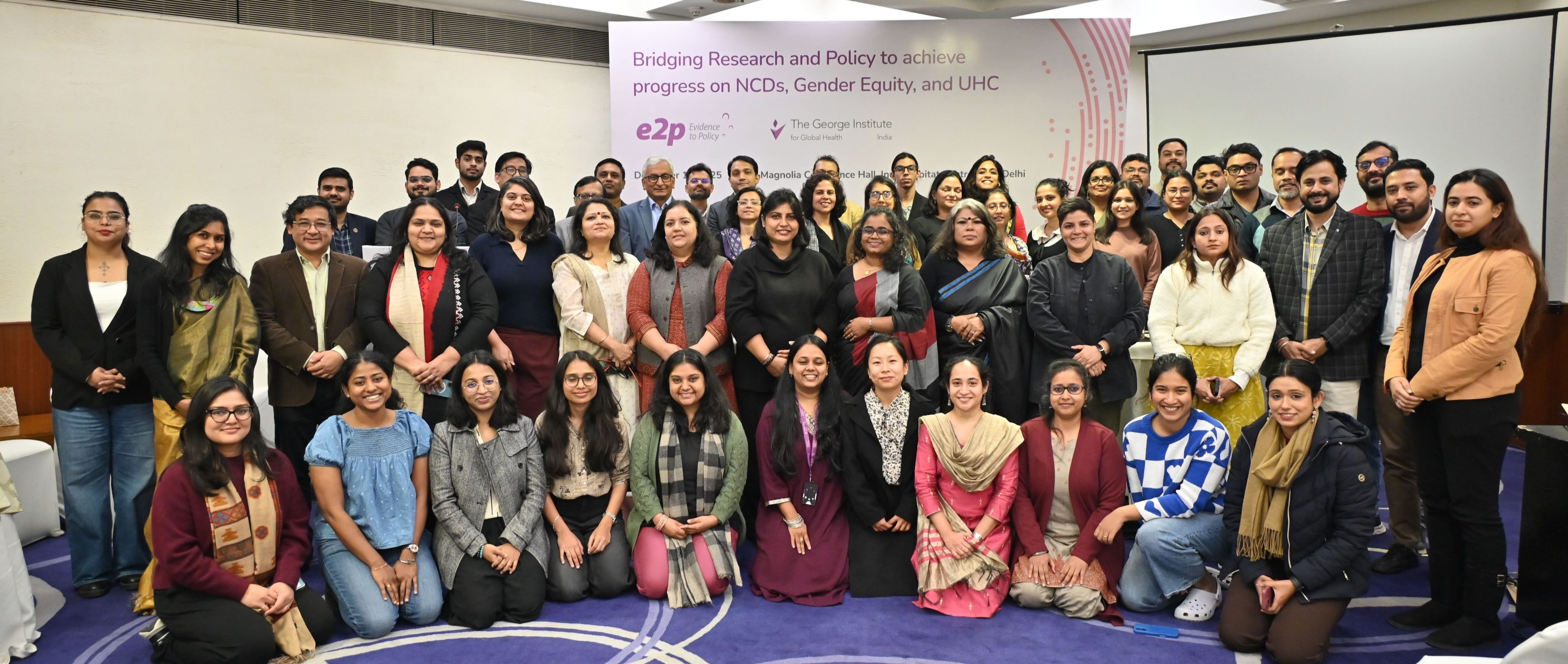
In December, The George Institute India organised its eighth annual ‘Evidence2Policy’ dialogue in New Delhi, which focused on bridging research and policy to achieve progress on NCDs, gender equity, and Universal Health Coverage.
The event brought together researchers, government stakeholders and other partners, and featured a ‘youth voices’ showcase for young researchers to share their ideas for improving health equity.
At state level in India, we worked with the government of Maharashtra on inclusive, context-responsive health solutions for tribal health, and engaged with the government of Nagaland to support primary healthcare strengthening in remote and under-served areas. We also continued to work with the government of West Bengal to advance evidence-based drowning prevention strategies.
In Australia, we worked closely with civil society partners to progress mandatory adoption of the Health Star Rating on packaged foods, developing a policy brief and engaging with state governments around Australia to build support.
Separately, the Productivity Commission adopted our recommendations to embed collaborative commissioning; a tool to bridge divides between state and federal government services, increasing access to multi-disciplinary, integrated care. The Commission also took up our recommendation to set up an independent advisory board as a mechanism to progress evidence-based, cost-effective prevention programs.

Global Advisory Board on Clinical Trials shares its recommendations
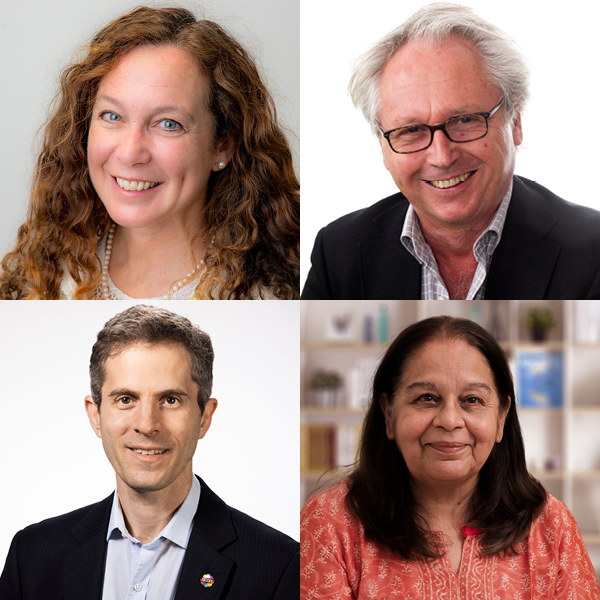
The George Institute’s global Advisory Board on clinical trials met in person in New Delhi in March 2025 to finalise its recommendations to the Institute at the end of its one-year term. Convening the board provided an opportunity for structured, collaborative engagement with world-renowned experts from different fields, to ensure our strategies reflect diverse perspectives and the latest innovations.
The Institute is now focusing on implementing the Advisory Board’s recommendations, which cover areas including tools and software, consumer and community involvement, capacity strengthening, coalition building, and policy engagement. We will also be drawing learnings from the process of convening this first, issue-focused Advisory Board before establishing boards in other priority areas.
Our external appointments
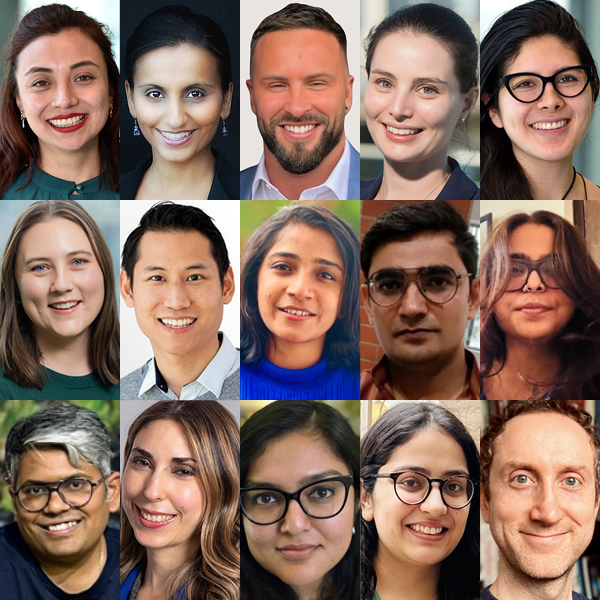
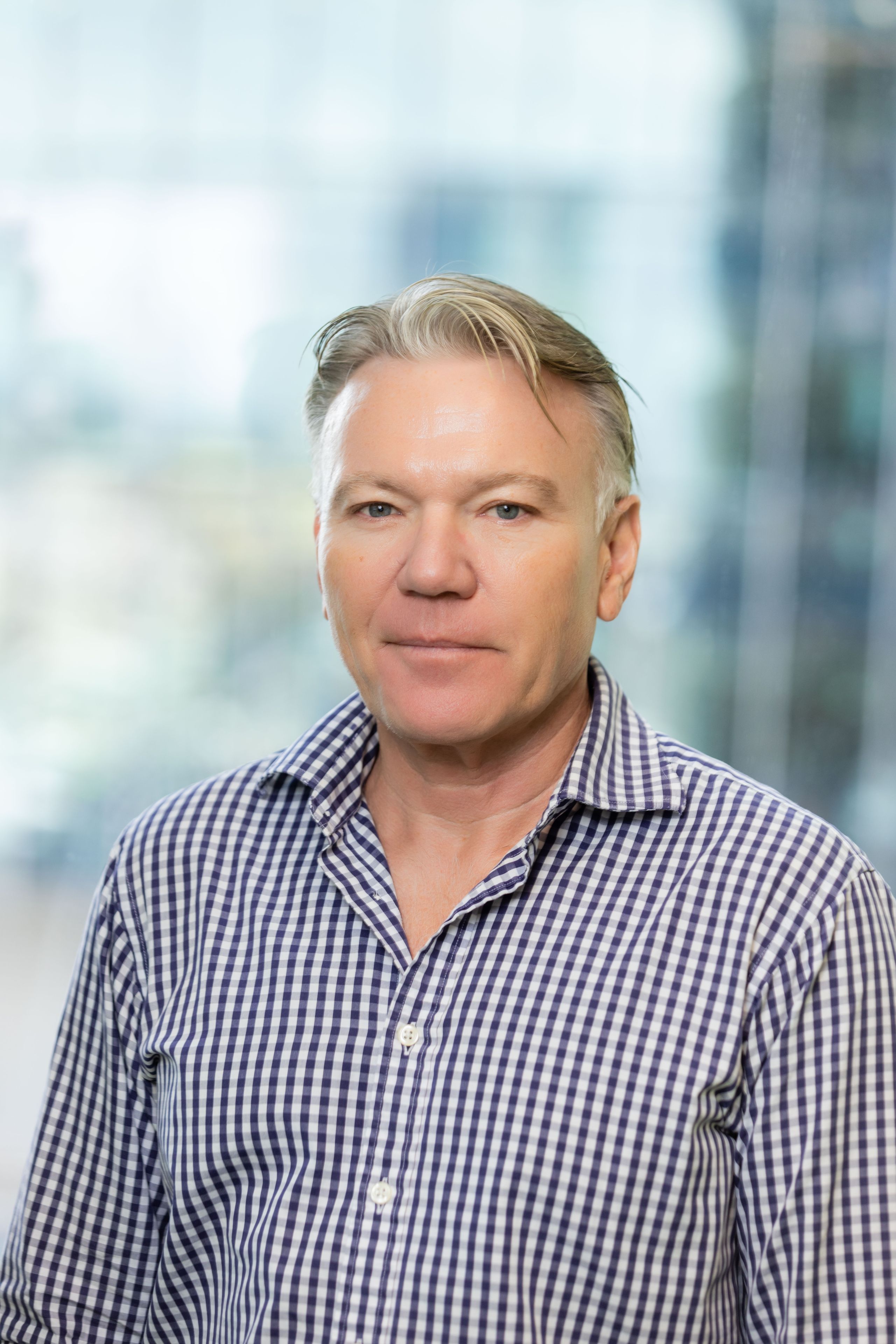
In 2025, The George Institute’s researchers and staff reported more than 96 external appointments. These positions ranged from leadership roles on boards and councils to expert working groups, scientific committees and guideline development groups, spanning civil society, multilaterals, research bodies and government departments. The number and breadth of these appointments demonstrate the widespread trust placed in our experts to help shape global, national and regional health agendas. You can see a small selection of these positions by clicking the button below.
Brett Abbenbroek
Executive Committee, Global Sepsis Alliance

Keziah Bennett-Brook
National Gender Equity, Diversity and Inclusion Committee, Association of Australian Medical Research Institutes (AAMRI); Executive Committee, Australasian Injury Prevention Network (AIPN)

Soumyadeep Bhaumik
WHO writing group, Global Guidance on the Ethics of Research Priority Setting

Cheryl Carcel
GENder Equity and diverSity In Stroke (GENESIS) Committee, World Stroke Organization
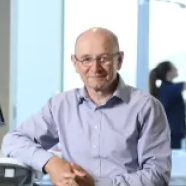
Simon Finfer
Elected member, International Sepsis Forum (ISF) Council

Maree Hackett
Steering Committee, Stroke Foundation Living Stroke Guidelines; Editorial Board, International Journal of Stroke
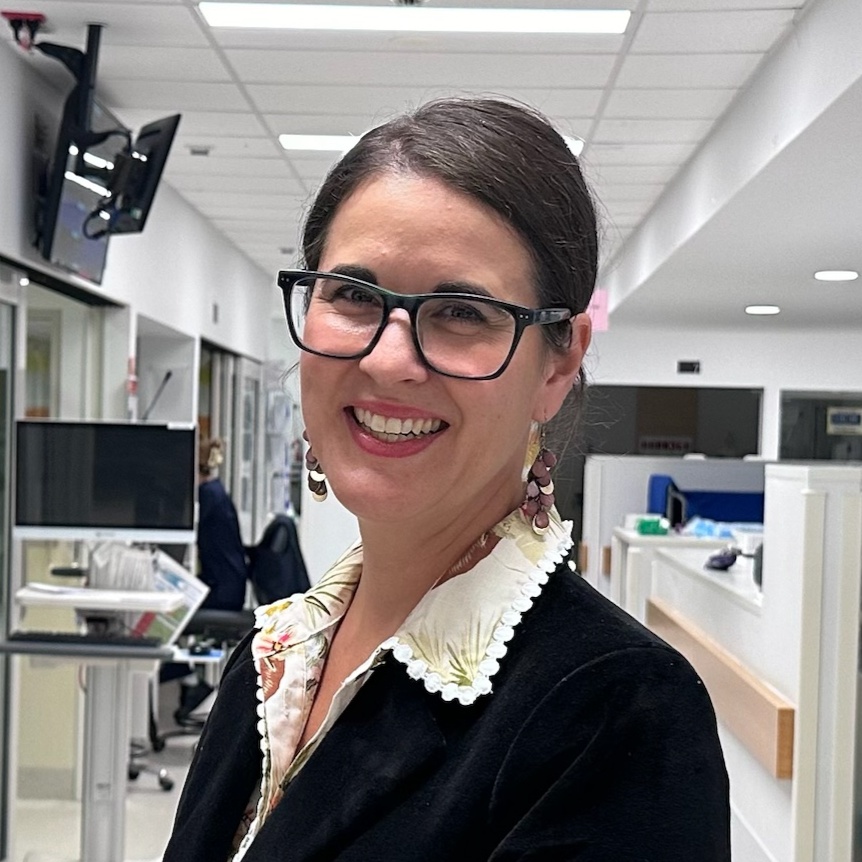
Naomi Hammond
Chair, Australian College of Critical Care Nurses (ACCCN) Research Advisory Panel; Steering Committee member, Asia-Pacific Sepsis Alliance; Executive Director – Research, Northern Sydney Local Health District

Amanda Henry
Women’s Health Committee, Royal Australian and New Zealand College of Obstetricians and Gynaecologists (RANZCOG)

Jagnoor Jagnoor
Director, Global Alliance of NGOs for Road Safety; Supervisory Board, YOURS – Youth for Road Safety
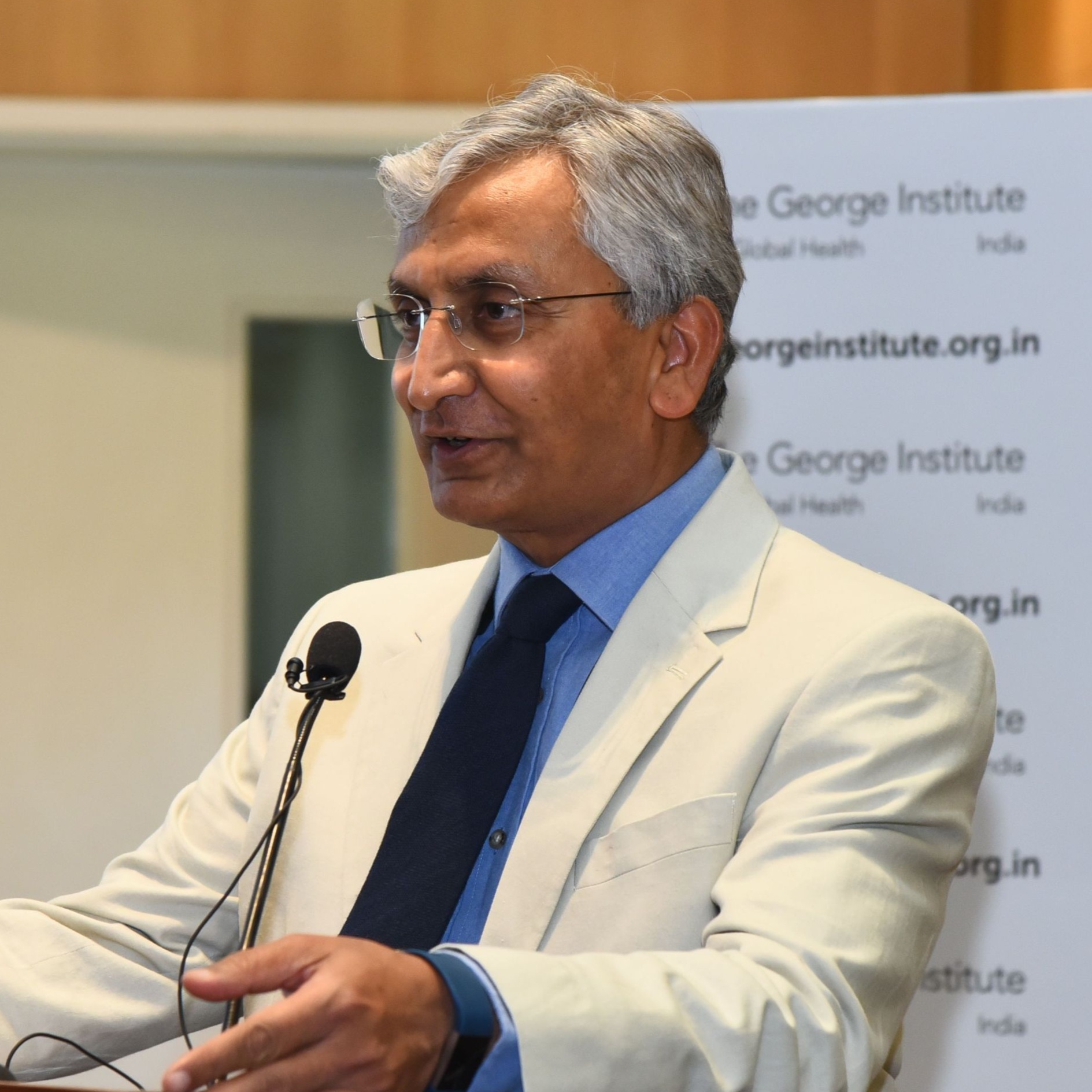
Vivekanand Jha
Executive Board Member, Kidney Disease: Improving Global Outcomes (KDIGO); WHO Transplant Advisory Group; Executive Committee, Declaration of Istanbul Custodian Group

Alexandra Jones
Health Star Rating Advisory Committee; Food Standards Australia New Zealand (FSANZ) Consumer and Public Health Dialogue

Pallab Maulik
WHO Technical Advisory Group on Loneliness and Social Connectedness; Chair, Data and Safety Monitoring Board, INSTRUCT Research Network, Indian Council for Medical Research; Leveraging Evidence for Access and Development (LEAD) Steering Committee member, KREA University
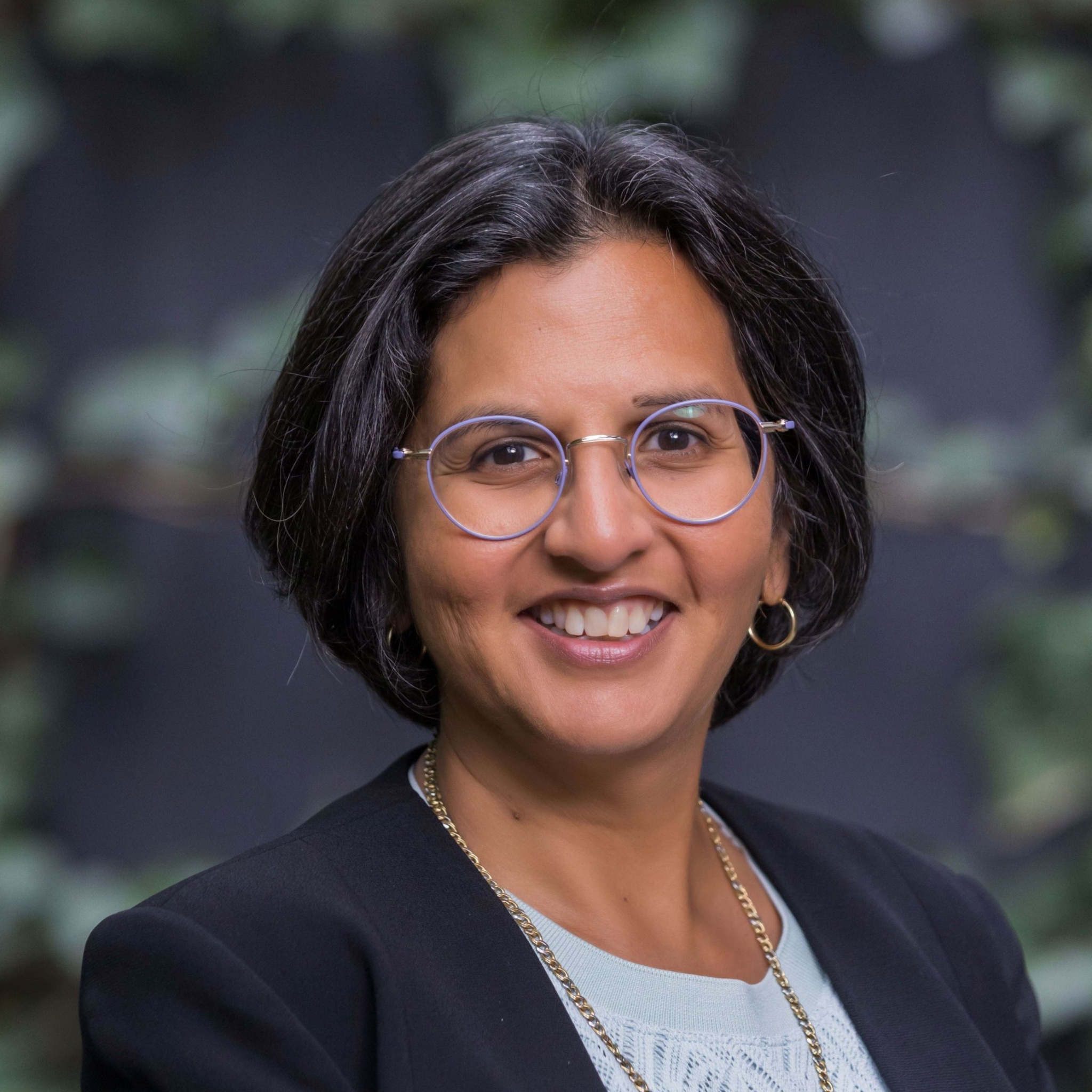
Anushka Patel
Chair, Research Committee, National Health and Medical Research Council (NHMRC); Chair, NHMRC Council
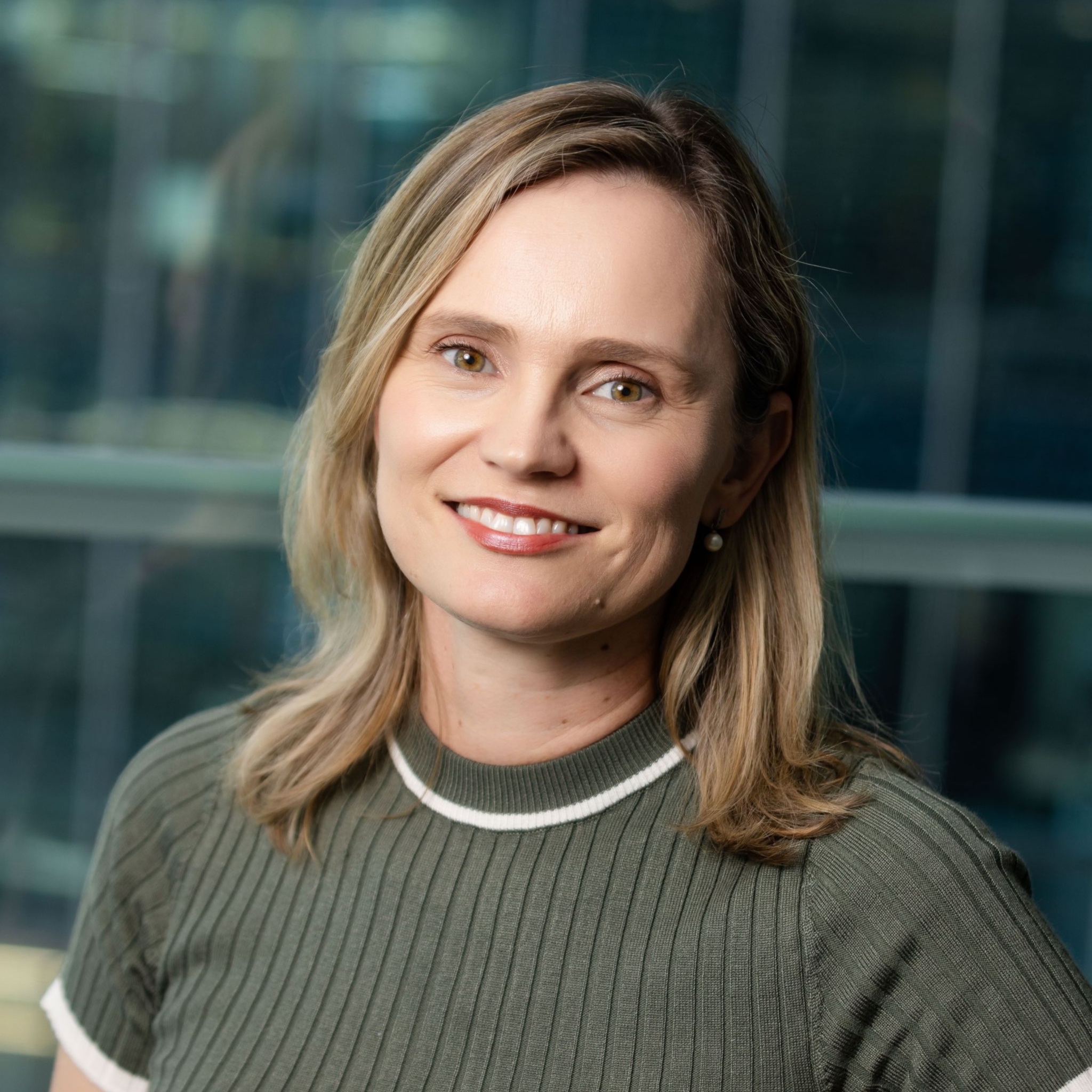
Alta Schutte
Expert Steering Committee Member, Australian Hypertension Guidelines; Global Advisory Board member, Roche and AstraZeneca; Advisory Board member, Sky Labs Company
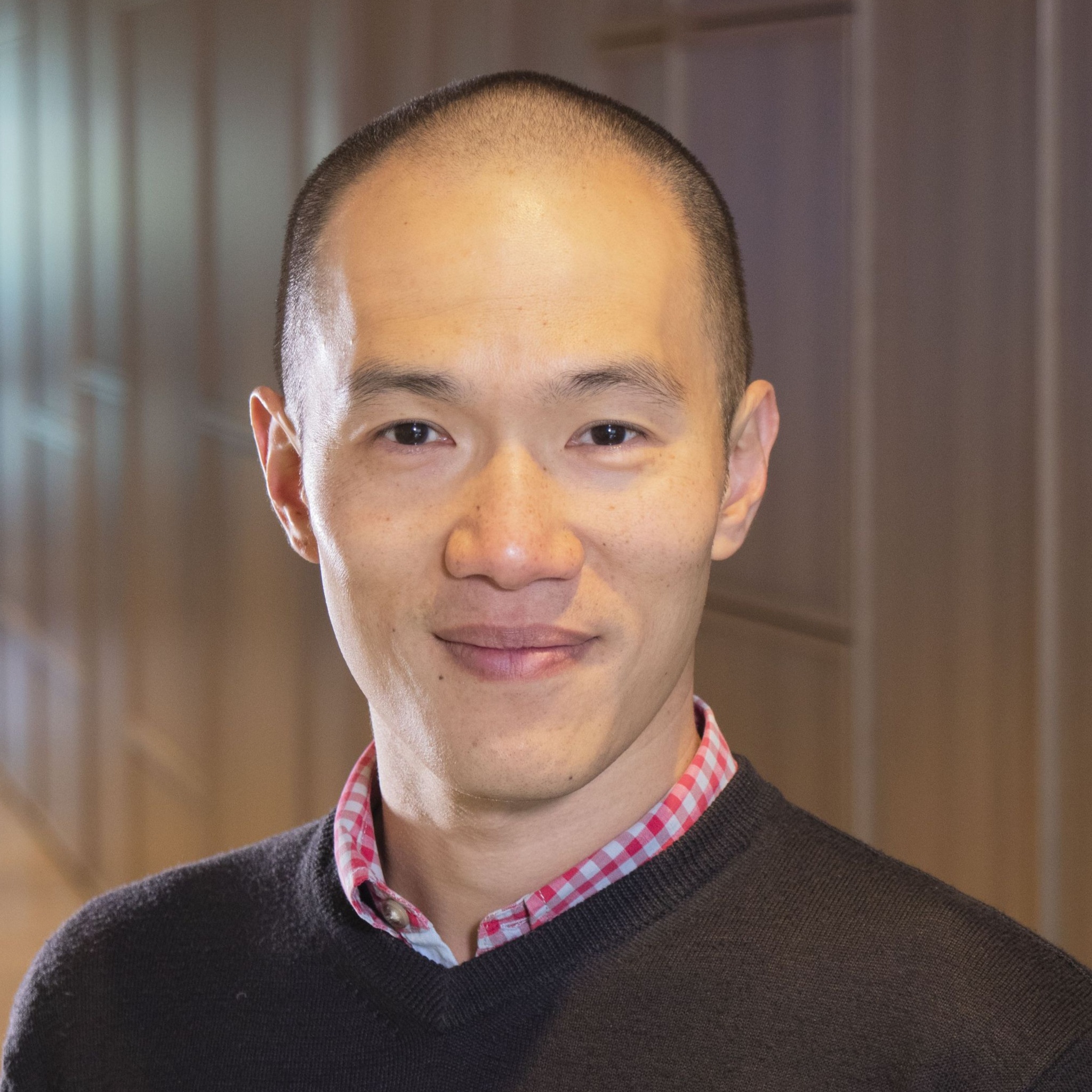
Jason Wu
Chair, Advisory Board, Nutrition and Health Innovation Research Institute (NHIRI)
Media coverage
Our research was covered by some of the world's leading media outlets in 2025. Here are two of the stories that attracted the most attention:

One in five US foods and drinks contains synthetic food dyes
Researchers at The George Institute, the University of North Carolina and the Center for Science in the Public Interest evaluated the contents of 39,763 US grocery store products. They found that as many as 19% of packaged foods and beverages contain synthetic food dyes.
The research generated
media items on platforms including CNN, Fox News, LA Times, New York Post and Time Magazine
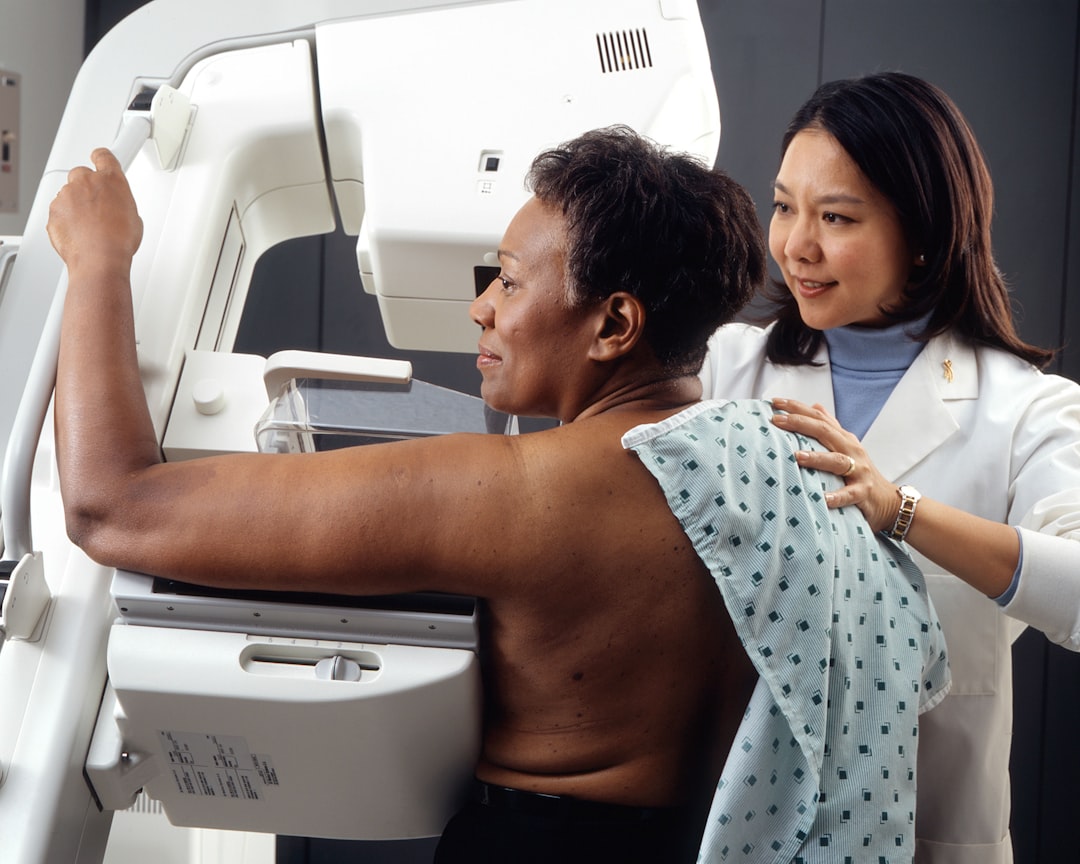
New AI algorithm uses mammograms to predict cardiovascular risk in women
A new machine learning model developed by The George Institute can successfully predict heart disease risk in women by analysing mammograms. The 'two-for-one' screening could provide a new way to identify women at risk of cardiovascular disease, the leading cause of mortality in women globally.
The research generated
media items on platforms including ABC Radio National and Channel Nine News